1
Material preparation
Confirm PCL grade, formulation status, moisture control, additives and feeding method.

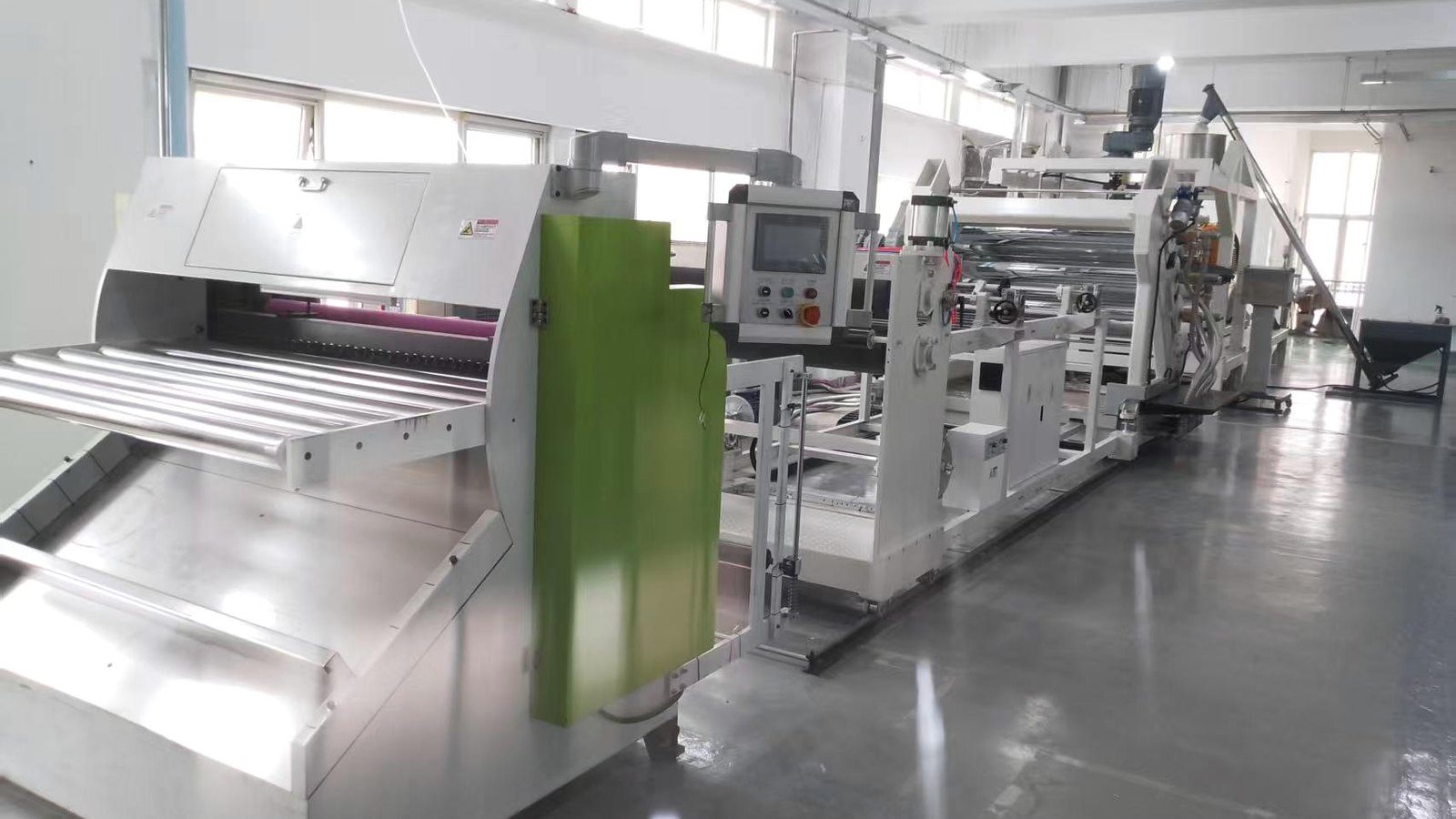
Configure extrusion, calendering, cooling, cutting and optional downstream processing around the actual PCL material, finished-sheet format and documented acceptance plan.
The final equipment list depends on the approved raw material, product geometry and downstream route. This eight-part flow is the engineering basis—not a promise that every project uses identical machinery.
Confirm PCL grade, formulation status, moisture control, additives and feeding method.
Select the screw concept and operating window from the verified material behavior.
Define filtration according to raw-material cleanliness and sheet-surface requirements.
Use an agreed pressure and flow-control approach before the flat die.
Form the required working width with die settings matched to the project.
Control sheet thickness, surface and cooling through the roll section.
Stabilize the sheet and coordinate line speed before final handling.
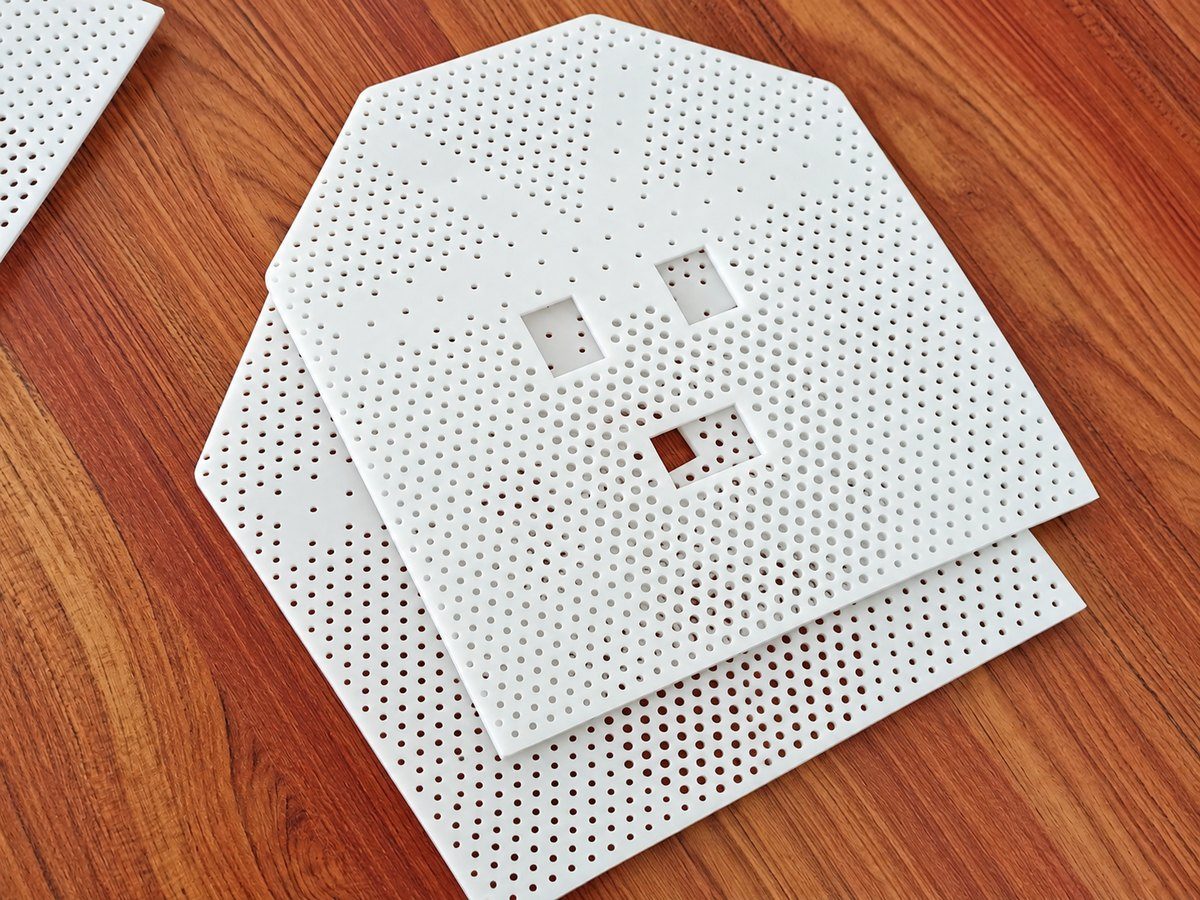
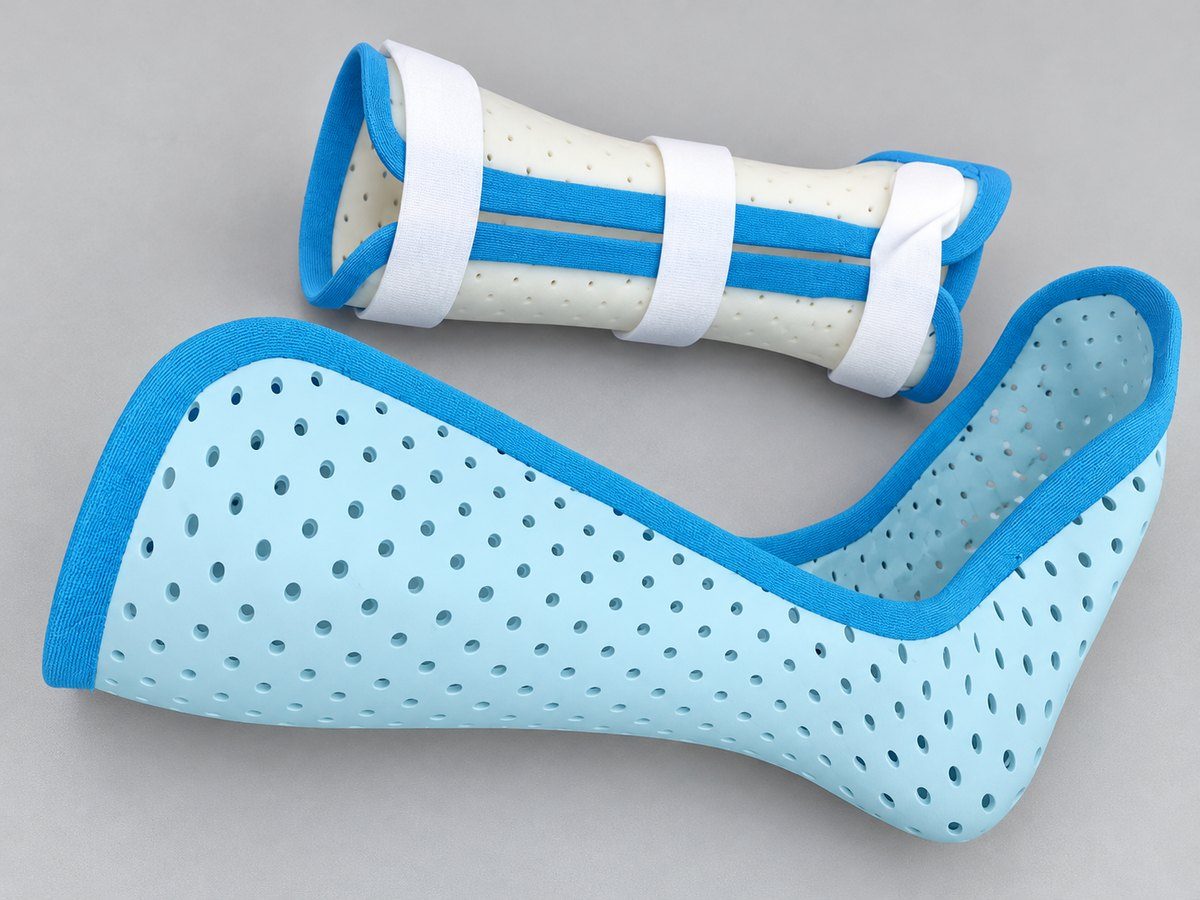
Choose sheets or rolls, then evaluate slitting, perforation, contour cutting or surface processing.
URIDGE can combine the extrusion line with relevant downstream modules, but each module must follow the actual material and finished-product requirements.
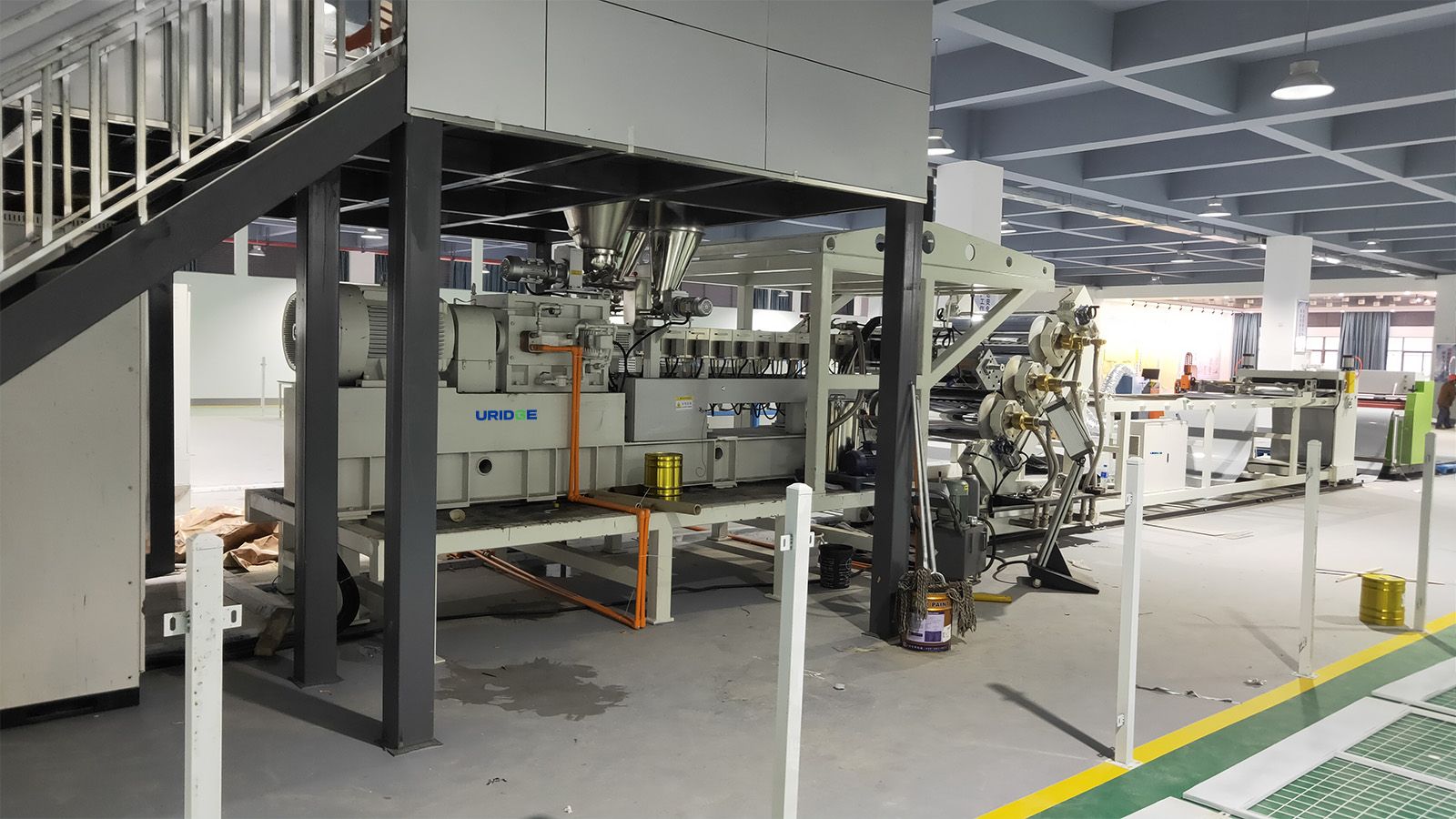
These values describe the cited projects only. They show why a new quotation must begin with the customer's own material, dimensions, output method and acceptance criteria.
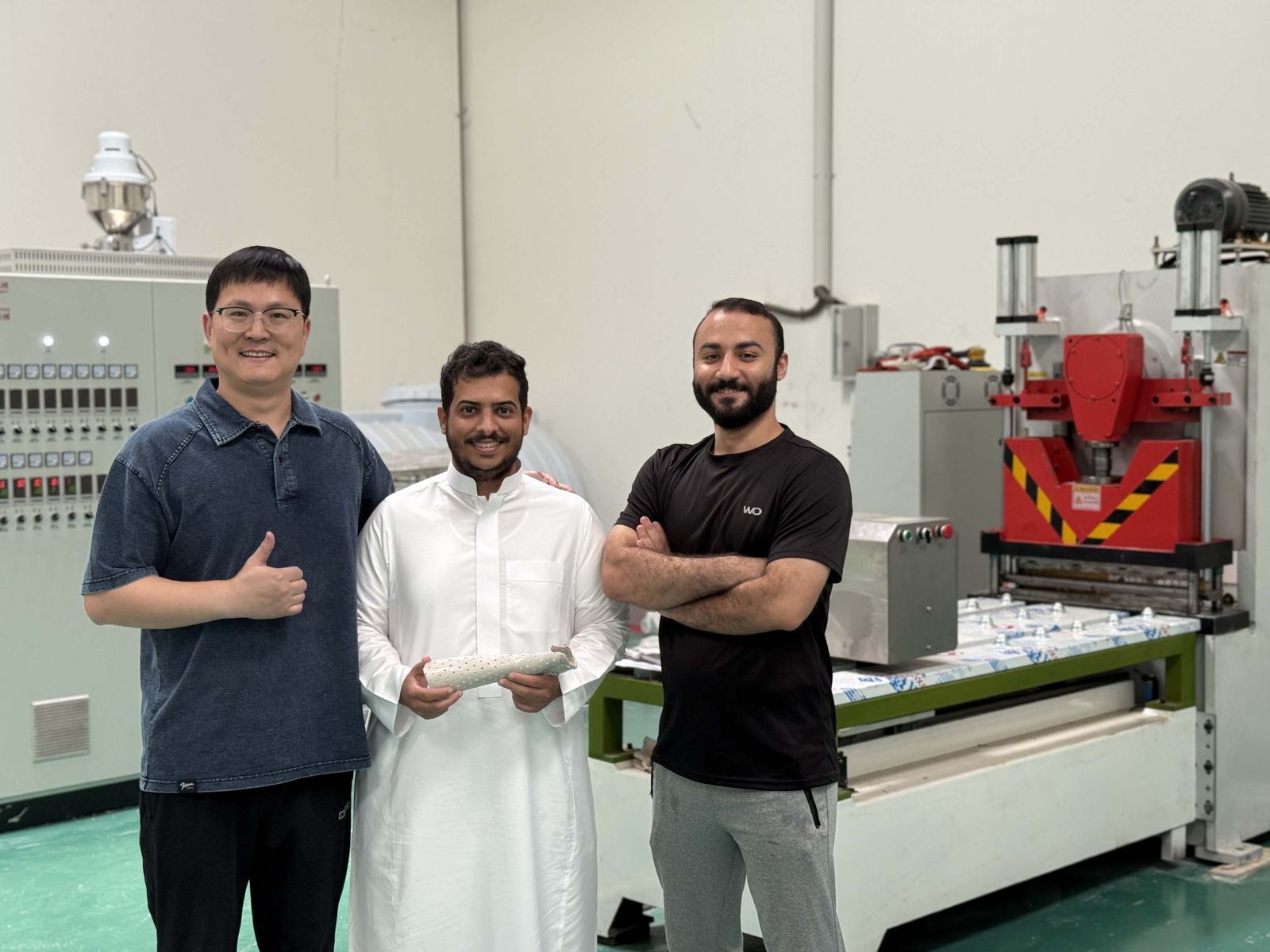
A credible proposal connects machine design to a documented test plan rather than using general claims such as “medical grade” or “high precision.”
Approved material identification, lot handling, formulation status and any required preconditioning.
Temperature zones, pressure, line speed, roll conditions and stable-run sampling points.
Width, thickness profile, cut length, flatness and the agreed measurement method.
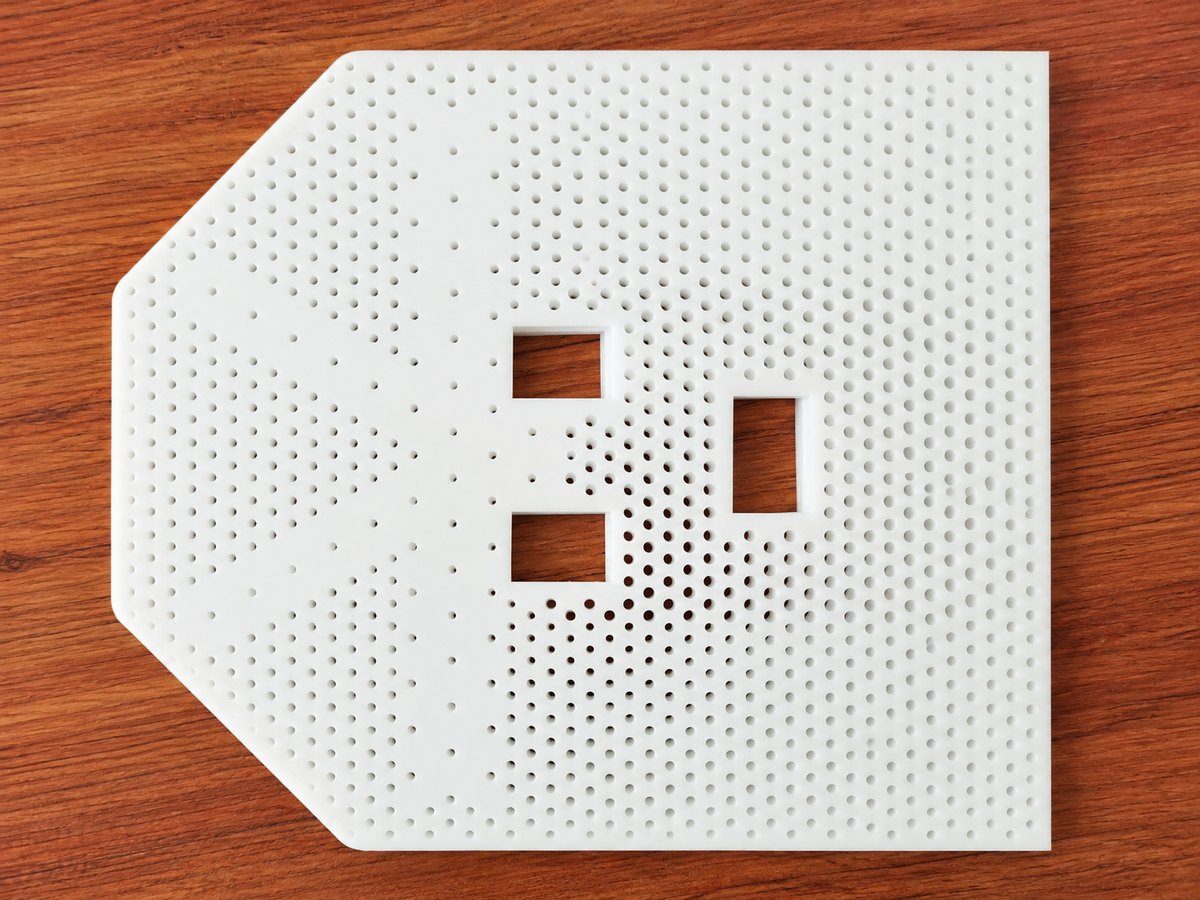
Hole pattern, contour, edge condition, stacking or winding and sample-acceptance criteria.
URIDGE may document machine scope, project configuration and agreed factory acceptance results. The customer and relevant qualified parties remain responsible for raw-material qualification, finished-device design, biological evaluation, sterilization or irradiation validation, regulatory submissions and clinical use.
Antibacterial, anti-stick, biocompatibility, radiolucency and other material or finished-product claims should be published only when the exact material, treatment, method, laboratory result and applicable scope are available.
No. Published ranges belong to their individual projects. A new line is configured from the actual material, finished dimensions, output basis and acceptance method.
Yes, when the panel size, hole pattern, contour, edge requirements and handling sequence are defined. They should be treated as downstream modules, not assumed as standard equipment.
No. Equipment capability and factory acceptance do not replace material qualification, medical-device validation, regulatory approval or clinical evaluation.
Not from the equipment description alone. Such claims require the exact material and treatment conditions, a defined test method, qualified evidence and an approved scope.
Provide the PCL grade and formulation status, width, thickness, output basis, sheet or roll format, surface and perforation needs, downstream process, utilities, factory space and acceptance criteria.
Send the material specification, finished-sheet dimensions, output basis, downstream process and acceptance method.